
Bolder Conservation for a New Era
Conservation does not
have a policy problem.
It has a constituency
problem.
A time-bound think tank building the community-led policy agenda conservation needs before the 2029 window, and the long-term power to hold its wins when the politics turn. Sunsetting 2029 by design.
Our Approach
About
A movement only as
strong as its roots.
The Access Granted Group is a time-bound conservation think tank, sunsetting in 2029 by design. That constraint is a feature. It keeps us trust-building rather than territory-defending, and free to do what mainstream institutions cannot.
Conservation has the science, the talent, and the polling. What it has missed is the households for whom nature loss is not a value but a bill: the grocery receipt, the insurance premium, the water and power bills climbing through a longer, hotter summer. We build the agenda from the families living that cost, so the field has a constituency ready to defend its wins when the politics turn.
Since launching in April 2026:
"Policy without people is little more than a piece of paper."
Where Nature Loss Reaches Home
Nature loss already arrives
as a bill people cannot pay.
Wild pollinators add roughly $15 billion in value to US crops each year. As their habitat disappears, that free labor has to be hired, and the cost lands on the produce aisle.
Homeowners premiums rose an average of $648 nationwide from 2021 to 2024, a 24 percent jump that outpaced inflation, as floods and fires spread and the buffers that once held them vanish.
The EPA found that 19 million US households, about one in seven, cannot afford their water service. The burden falls hardest on low-income, rural, and Indigenous communities.
Polling tells us, over and over, that people care about clean air, water, and land. What it rarely measures is what people will rank above those beliefs when the rent is due. Families living the cost of nature loss should be conservation's natural defenders, if the movement makes the case in the language and the spaces they respond to, and if it advances policy fixes that measurably lower the bills landing on their households.
Our Work
Three bodies of work.
Two time horizons.
We work two horizons at once: preparing community-led policy for the 2029 transition window, and identifying the long-term power conservation needs to hold its wins through opposition. All three are public goods, built for the whole field to use after we sunset.
Policy Agenda
Influence Analysis
Power
The Community Future Framework
Our transparent, equity-centered method for turning what communities say into policy positions. Communities help set and weight the criteria before scoring begins, and those criteria are locked once scoring starts. Every position must clear a minimum equity standard before it can advance, so what moves forward reflects community priority and lived consequence rather than organizational pressure or who holds the pen.
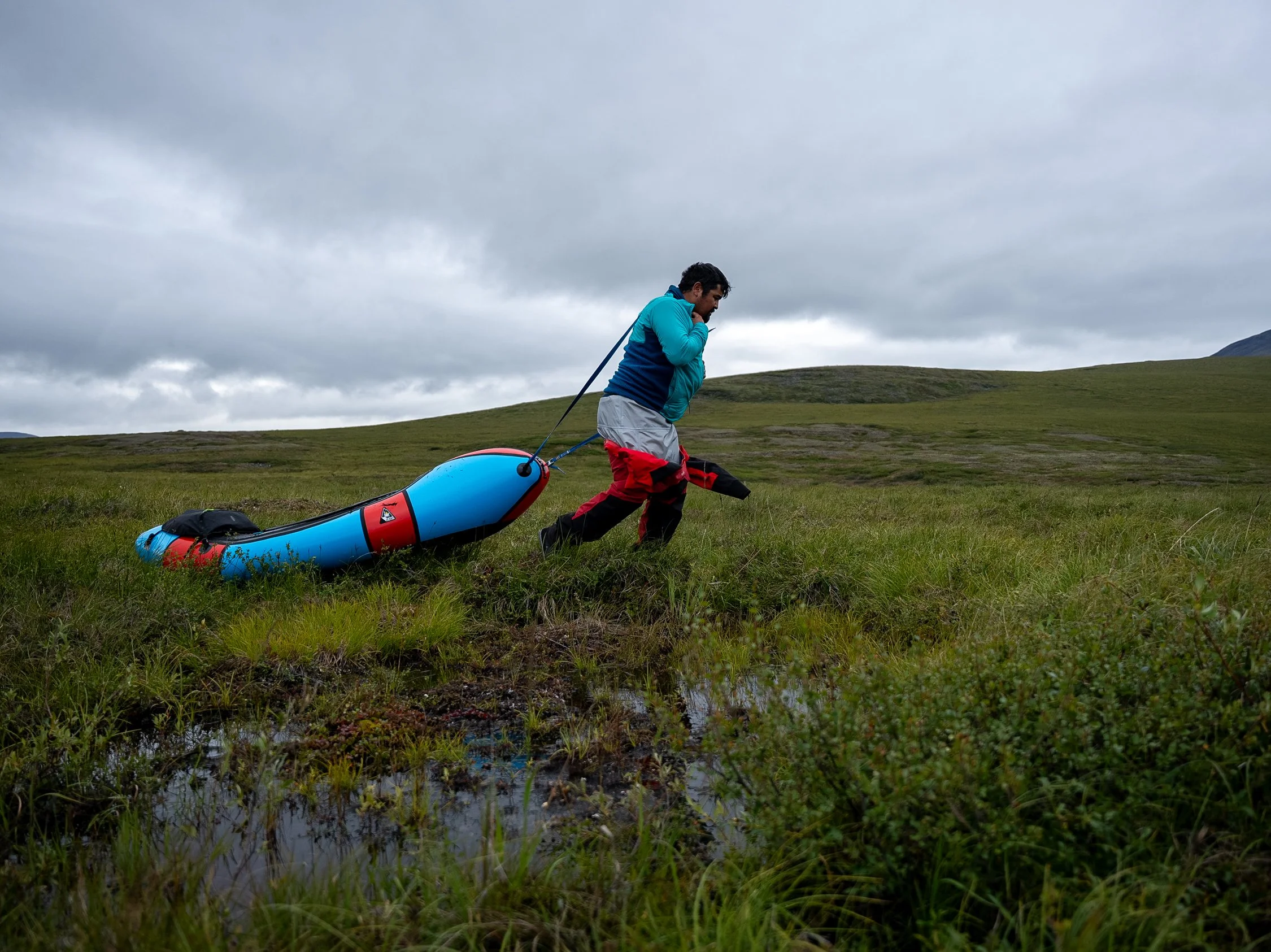
"When the communities most affected by nature loss are in the room, the policy gets more specific, the solutions get more durable, and when someone tries to take it away, there are people who show up to fight."The Access Granted Group · Photo: James Q. Martin, Nigu River, Alaska
Team
Close enough to diagnose it.
Free enough to fix it.
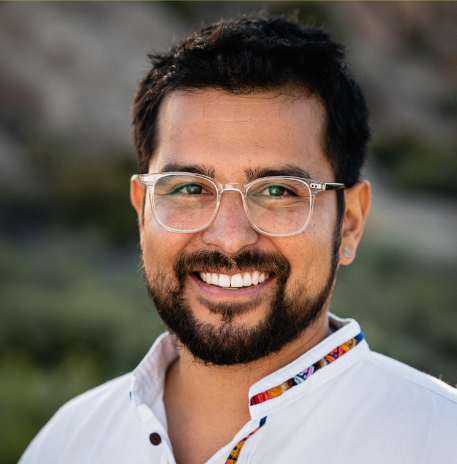
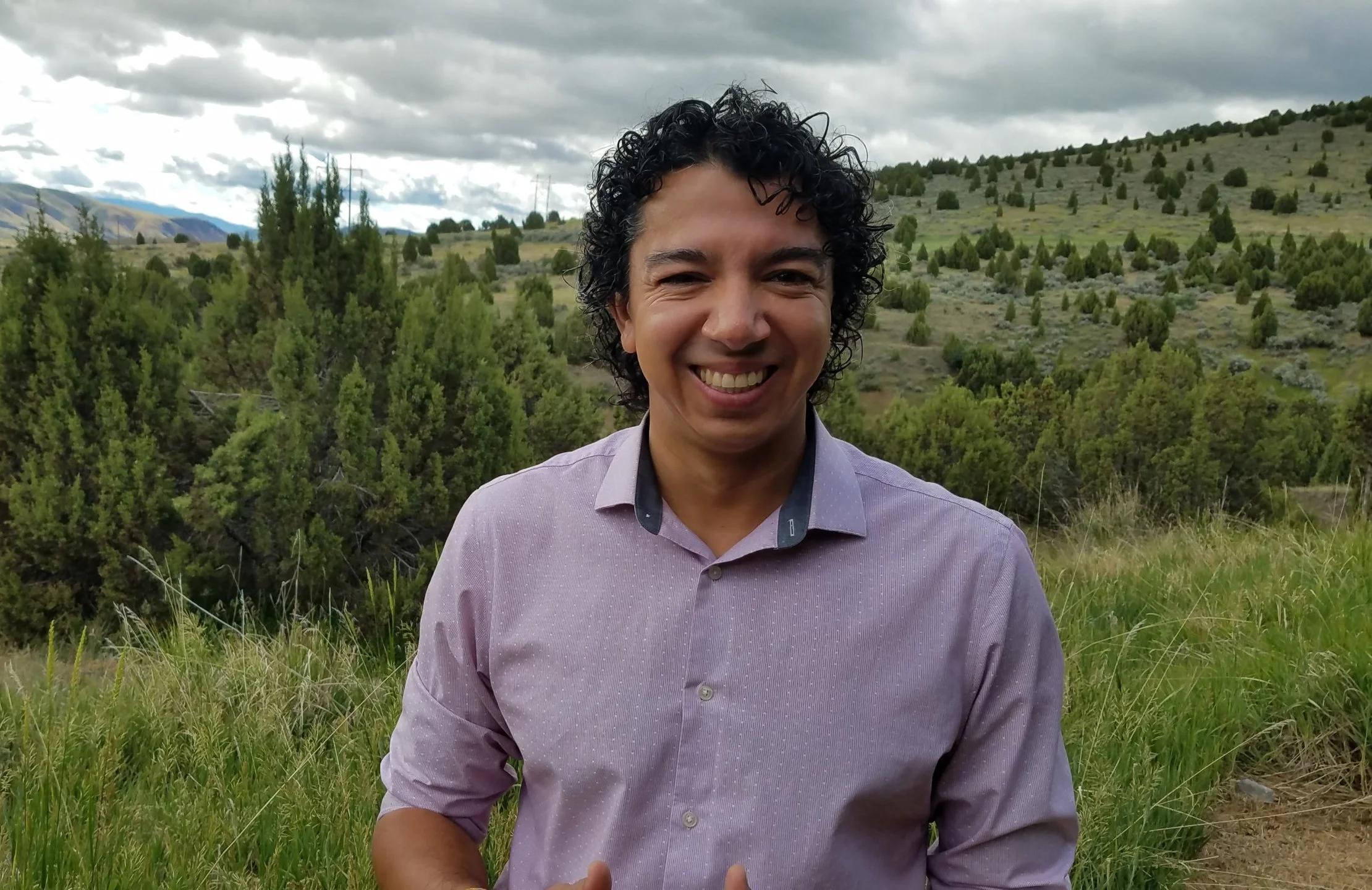
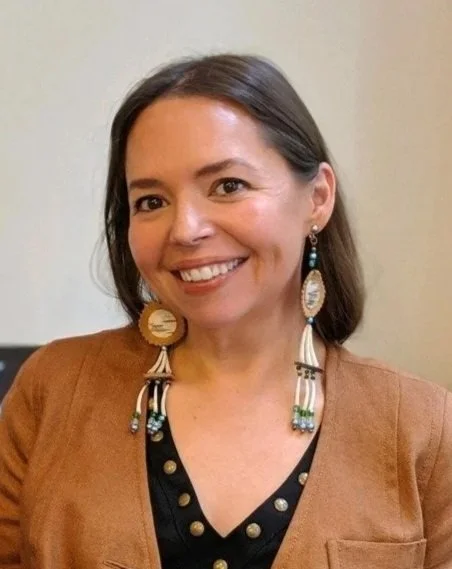
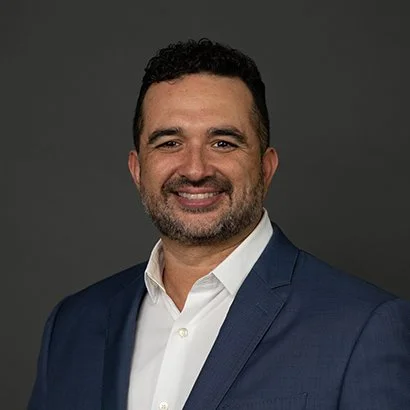
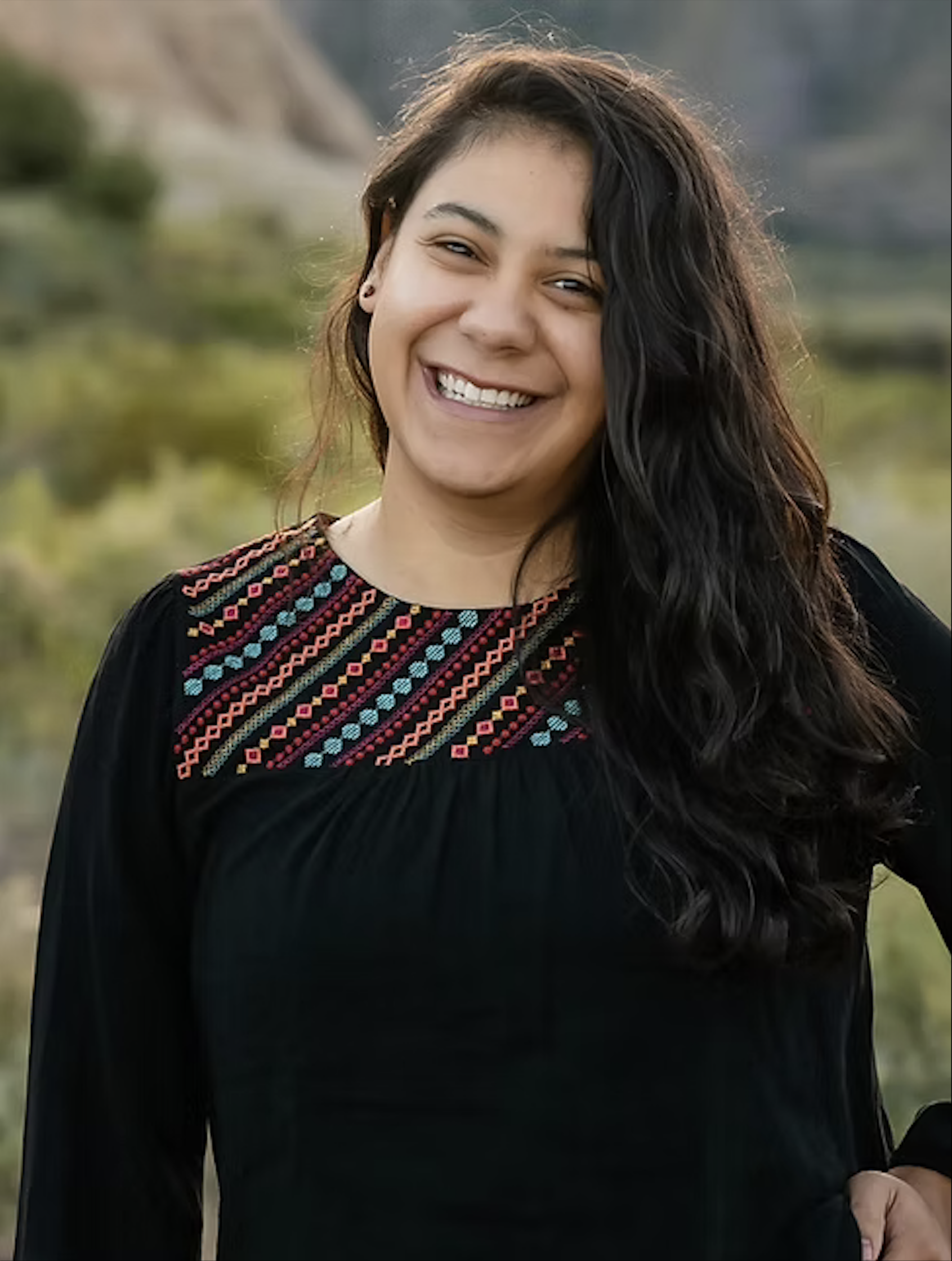
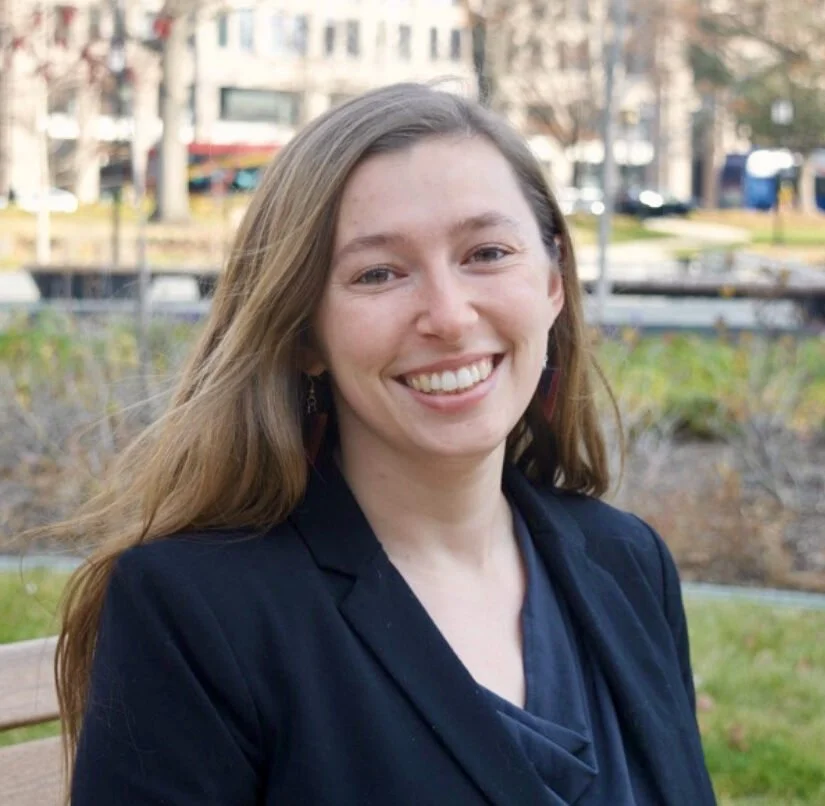
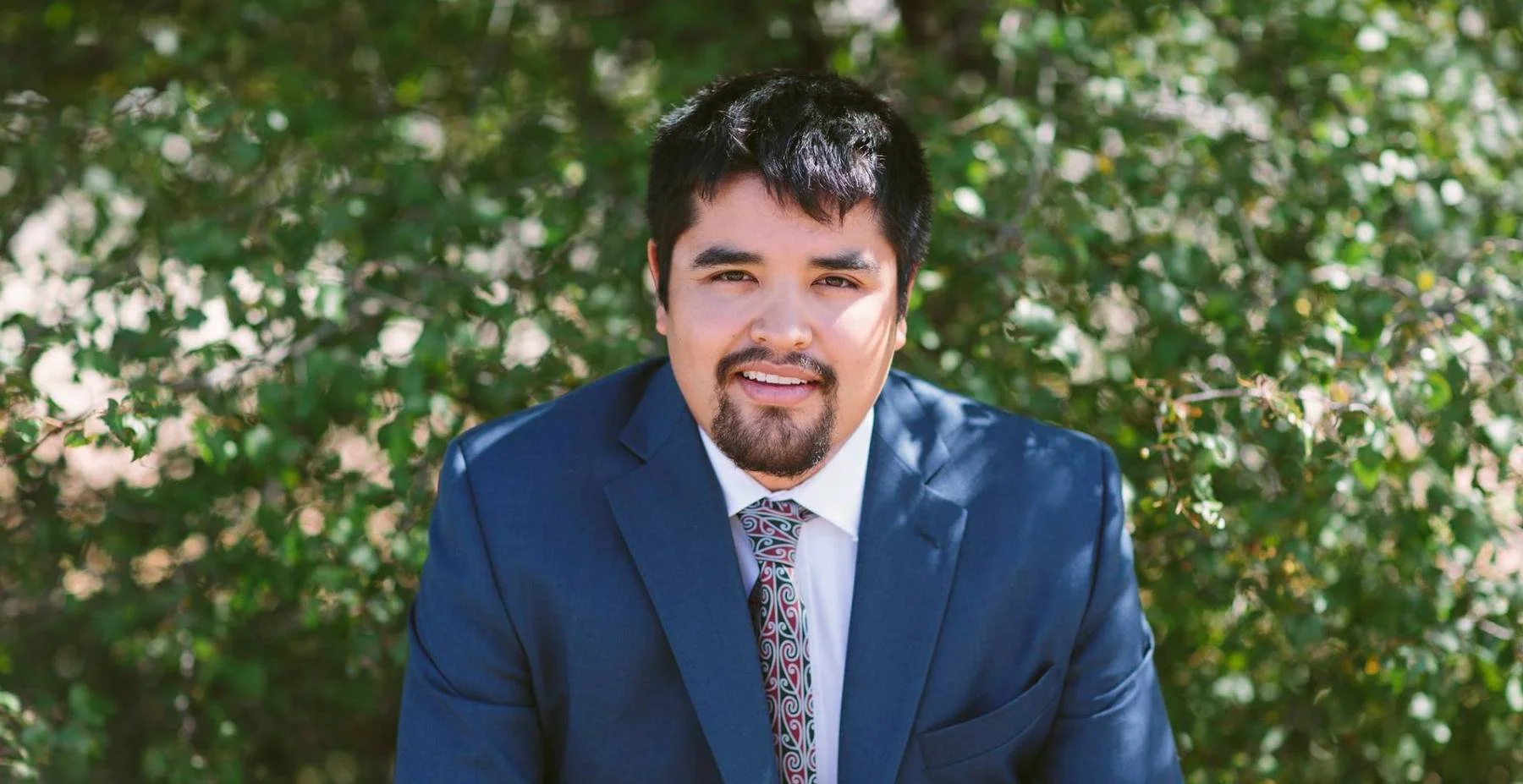
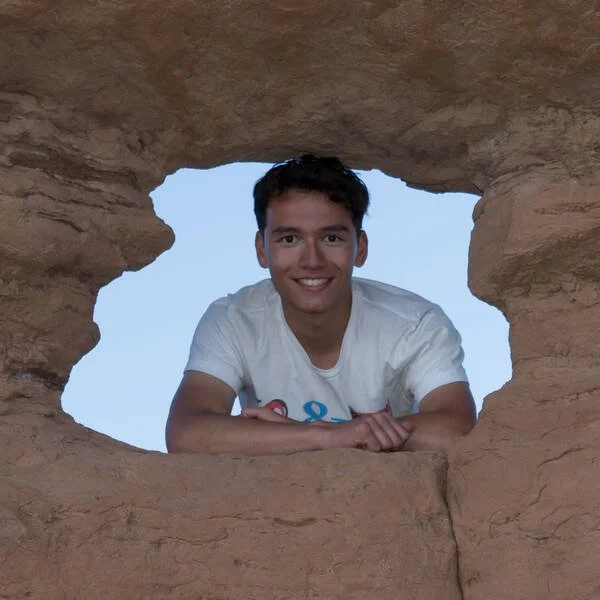
Every person here was in the rooms where major conservation policy was written, or inside the organizations representing the communities asked to weigh in too late, or in government, where they saw how narrow the support for those insider policies really was. These relationships were not formed for this project. They are the foundation it is built on.

Case for Support
Read the full
case for support.
The website is the short version. Enter your information to receive our Case for Support, a fuller account of the problem we are closing, the three bodies of work, the team, and how an investment moves this work toward the 2029 window.
Contact
Let's strengthen
the movement.
Whether you are a frontline or Indigenous-led organization, a policy leader, a movement leader, a democracy protector, a funder, or a conservation professional who sees the same conditions we do, we want to hear from you. We are inviting partners into early conversations now, while the pilot is still being shaped.
